
Communication failures during commercial roofing projects cost property owners an estimated $2.1 billion annually in delays, rework, and disputes. Recent industry data reveals that 67% of project overruns stem directly from inadequate progress updates and misaligned expectations.
For facility managers and property owners, establishing clear communication protocols has become essential for protecting their roofing investments and maintaining stakeholder confidence.
This analysis examines common misconceptions about project communications, explores their practical implications, and presents evidence-based strategies for maintaining transparency throughout commercial roofing installations.
SECTION 1: COMMON MISCONCEPTIONS
Effective communication is essential during commercial roofing projects, yet many property owners operate under misconceptions that can lead to serious repercussions. A recent survey revealed that 60% of facilities managers were dissatisfied with project communications. Misunderstandings can trigger delays, unexpected expenses, and damaged relationships. This section highlights key misconceptions related to project updates, the role of contractors, and the importance of stakeholder communication.
Assuming No Updates Are Necessary
Many property owners mistakenly believe that once a roofing project commences, further updates are unnecessary until completion. This assumption can result in unforeseen challenges. Regular updates keep stakeholders informed about progress and any issues that may surface during the project.
Without consistent communication, property owners can be caught off guard by unexpected hurdles. For instance, if construction faces weather-related delays, it is crucial to inform stakeholders right away. Failing to communicate may lead to frustration and a breakdown of trust between contractors and property owners.
This misconception stifles effective decision-making, particularly when changes to the project scope are necessary. Regular check-ins help ensure that everyone remains aligned and the project proceeds smoothly. Acknowledging the importance of updates can save time and resources in the long term.
In addition to keeping stakeholders informed, consistent communication encourages collaboration. Property owners who actively seek updates are better prepared to address concerns early on, resulting in a more successful roofing project.
Believing Contractors Will Handle Everything
Another prevalent misconception is the belief that contractors will oversee every detail of the roofing project without property owner involvement. While contractors possess expertise in their field, the engagement of property owners is equally important. They must clearly communicate their needs and provide necessary resources or approvals.
For example, contractors may require timely access to specific areas or assistance with scheduling inspections. When property owners assume that these logistical details are automatically managed, it can lead to unwarranted delays and conflicts. Effective collaboration is crucial to ensure that the project adheres to both budget and timelines.
Moreover, routine discussions about the project can help address any surprises. Property owners should engage with contractors regularly—attending pre-job meetings and site visits to better understand the work taking place. This active involvement not only aligns objectives but also grants property owners enhanced oversight.
Effective communication builds trust; when property owners are involved, contractors are more likely to feel accountable for their work. This partnership approach enhances the chances of a roofing project that not only meets but potentially exceeds the property owner’s expectations.
Overlooking Stakeholder Communication
Neglecting stakeholder communication can jeopardize the success of commercial roofing projects. Typically, numerous stakeholders are involved—investors, facility managers, and employees—all of whom have a vested interest in the project’s outcome. If property owners fail to communicate with these individuals, it can lead to misaligned expectations and discomfort.
For instance, if a facility manager is unaware of changes to the project’s timeline, they may misinterpret operational disruptions. This disconnect can also result in internal conflicts or dissatisfaction among employees who depend on the facility’s functionality. Clear communication fosters transparency, helping everyone understand their roles and the potential impacts during the roofing project.
Additionally, engaging stakeholders in the decision-making process can yield valuable insights. They may highlight specific concerns related to operations, safety, or logistics. By keeping stakeholders informed and involved, property owners can better anticipate challenges and modify strategies as needed.
Ultimately, the success of a roofing project hinges on effective stakeholder communication. When everyone is aligned, it enhances project efficiency and contributes to a more positive overall experience for all parties involved.
SECTION 2: PRACTICAL IMPLICATIONS
In the realm of commercial roofing, effective communication is not just beneficial; it is essential for success. When communication falters, project timelines can extend, and costs can surge, placing undue financial pressure on property owners. Notably, research indicates that nearly 30% of commercial roofing projects exceed their budgets primarily due to inadequate communication. With these consequences in mind, it becomes imperative to examine how such challenges affect expectations, interpersonal relations, and the overall trust in service providers.
Delayed Project Timelines and Cost Overruns
Lapses in communication can stretch project timelines, creating frustrating delays that disrupt operations. Property owners may experience unmet completion dates, which can have significant implications. For example, a manufacturing facility once faced a staggering 45-day delay due to insufficient updates from the roofing contractor.
This unexpected setback necessitated costly temporary roofing solutions and interruptions in production. Such circumstances illustrate how, without effective communication, projects can quickly spiral out of budget. Reports show that more than 25% of budget overruns in roofing projects are attributed to poor communication.
Enhancing communication practices can combat these issues. By providing regular updates, all parties involved stay informed about progress and challenges. Establishing clear expectations not only safeguards against delays but also promotes fiscal responsibility. When contractors maintain open lines of dialogue with clients, it creates a foundation of trust that facilitates smoother navigation through any unforeseen obstacles.
Ultimately, prioritizing effective communication serves as a robust shield against both delays and escalating costs, ensuring projects remain on schedule and within budget.
Misaligned Expectations and Disputes
Miscommunication can lead to significant discrepancies in project expectations, often resulting in conflicts between clients and contractors. A property owner may envision a specific roofing style or material, yet the contractor may proceed with a different approach if there is a lack of clarification. Such misunderstandings can halt progress and escalate into disputes.
Moreover, when expectations are misaligned, dissatisfaction can arise, straining relationships. An adversarial atmosphere can complicate project execution, leading to further costs and extended timelines as issues are resolved. Clear and thorough documentation of project plans can help mitigate these risks.
Establishing a routine of check-ins and updates helps ensure alignment on project goals. By fostering transparency, clients and contractors can address potential pitfalls more effectively before they escalate into larger problems.
Ultimately, addressing and aligning expectations from the outset is crucial for maintaining a harmonious and productive environment throughout the roofing project.
Impact on Client Trust and Relationships
Trust forms the bedrock of successful business relationships, particularly in the commercial roofing sector. When communication is inadequate, clients are likely to question their contractors’ professionalism. According to a recent survey, 70% of clients cite inadequate project updates as a primary factor in diminishing trust.
The erosion of trust can lead to fragile relationships, prompting clients to consider alternative contractors for future projects. This shift not only affects current projects but can also have long-lasting implications for a contractor’s reputation and customer loyalty.
To cultivate and maintain trust, contractors must emphasize timely and accurate communication. Regular progress reports and accessible channels for questions help convey to clients that their concerns are valued and taken seriously. When clients feel well-informed, their engagement and support for the project increase significantly.
Thus, fostering trust through effective communication is essential for both the immediate success of a project and the establishment of fruitful long-term partnerships.
SECTION 3: COST OF MISINFORMATION
The repercussions of miscommunication during commercial roofing projects are significant and far-reaching. Studies demonstrate that inadequate communication can inflate project costs by as much as 20%. Given that roofs represent a substantial investment for property owners, it is critical to eliminate misunderstandings. This section delves into the financial ramifications, the erosion of client trust, and the increased likelihood of project failures that stem from misinformation.
Financial Consequences of Miscommunication
Miscommunication can severely escalate project costs. When roofing professionals do not provide accurate timelines or budgets, unexpected expenses frequently arise. These unplanned costs can significantly strain a client’s financial resources.
For example, reports indicate that misjudgments in material requirements due to vague specifications often result in last-minute acquisitions. Such urgent purchases typically come at a premium price, further complicating budget constraints.
Moreover, delays stemming from misunderstandings can result in contractual penalties. Many agreements include specific completion deadlines; failing to meet these can lead to significant financial repercussions.
Ultimately, the cumulative financial burdens can surpass initial project estimates, jeopardizing the contractor-client relationship.
Loss of Client Confidence and Reputation
Persistent misinformation undermines client trust and tarnishes a contractor’s reputation. When stakeholders are misled, they may doubt the ability of their roofing professionals to fulfill project commitments.
In today’s interconnected world, a single dissatisfied client can quickly share their negative experiences online, potentially deterring new customers from engaging with the roofing company.
Additionally, a reputation for poor communication can drive property owners to consider alternative contractors known for their transparency and dependability. Such a shift can profoundly affect immediate revenues and jeopardize long-term business opportunities.
In short, sustaining clear communication throughout a project is essential for preserving a contractor’s reputation and securing client loyalty.
Increased Risk of Project Failures
Inaccurate communication significantly heightens the risk of project failures, endangering both the roofing company and the property owner. A failure to convey proper installation instructions can compromise the integrity of the roof.
For instance, unclear guidance about weather conditions may result in improper installation of roofing materials, leading to leaks that necessitate costly repairs. Such setbacks can prolong project timelines and damage client relationships.
Furthermore, resolving issues that arise from miscommunication often requires substantial time and resources. This inefficiency can hinder both ongoing and future projects as teams might need to redirect efforts to rectify problems.
Ultimately, a well-defined communication strategy is crucial for minimizing these risks and ensuring that all parties share aligned expectations and understanding throughout the project’s lifecycle.
SECTION 4: REALITY CHECK
In the dynamic environment of commercial roofing, effective communication is not merely a strategy; it is a necessity. Research shows that over 30% of roofing projects experience delays primarily due to miscommunication. This statistic stresses the critical need for clear initial communication and continuous dialogue throughout the project. Property owners and facility managers must recognize the necessity of keeping all parties informed, especially when dealing with delays or unexpected issues that may arise.
The Importance of Initial Communication
The initiation phase of any roofing project is pivotal for setting the stage for success. During the initial meeting, it is essential to clarify goals, timelines, and responsibilities among all stakeholders. Engaging everyone from the start fosters alignment and clarifies expectations. Without this structured foundation, misunderstandings are likely to occur, which can create frustration and conflict.
Furthermore, establishing clear communication protocols can help prevent issues down the line. Property owners should know who to contact for specific concerns, thus streamlining channels of communication and enhancing efficiency.
Initial communication should involve detailed documentation and comprehensive project outlines. This serves as a crucial reference point, decreasing ambiguity and ensuring all stakeholders can find answers when needed. Encouraging questions from stakeholders also promotes an atmosphere of transparency.
Ultimately, effective initial communication lays the groundwork for smoother project execution. Focusing on clarity from the outset allows property owners to manage risks more effectively while fostering team cohesion.
Regular Meetings and Progress Updates
Routine updates and scheduled meetings are fundamental aspects of successful project management. Property owners should anticipate progress reports that outline milestones achieved and tasks upcoming. These updates keep everyone aligned and focused on common goals.
Regular meetings also create platforms for tackling concerns before they escalate. They allow team members to collectively discuss challenges and develop solutions, reducing downtime and promoting collaboration.
Incorporating visual aids into these meetings can further enhance understanding. Sharing photographs or videos of ongoing work provides stakeholders with a clear view of progress, reinforcing transparency and engagement.
By establishing a consistent rhythm of communication, property owners remain aware of the project status. This ongoing dialogue is vital as the project evolves, ensuring that adjustments are made collaboratively and efficiently.
Addressing Unexpected Delays and Issues
No roofing project is immune to unexpected challenges. Delays caused by weather, supply chain disruptions, or site conditions can significantly affect timelines. Recognizing this reality, effective communication becomes essential for navigating these complexities.
When delays occur, it is vital to provide immediate notification. Property owners deserve timely updates that clarify the nature of the delay and its implications for the overall schedule. This proactive approach fosters trust and confidence among all stakeholders.
Additionally, discussing strategies for adjusting plans and minimizing impacts demonstrates a commitment to overcoming obstacles. Offering solutions alongside reporting issues can greatly enhance perceptions among stakeholders.
Regular reassessments of the project timeline in light of delays are critical for maintaining focus on achievable goals. By managing expectations and providing clear pathways forward, property owners and contractors can collaboratively tackle challenges and ensure project success.
SECTION 5: EVIDENCE-BASED ALTERNATIVES
In the competitive environment of commercial roofing, effective communication is not just necessary; it is crucial for successful project delivery. Poor communication can lead to significant issues including delays, mismanagement, and unexpected costs. Industry studies reveal that miscommunication is responsible for as much as 30% of project delays. Thus, implementing structured communication strategies is essential for both property owners and contractors. This section presents practical, evidence-based strategies aimed at promoting transparency and efficiency throughout the roofing process, ensuring that all stakeholders are well-informed and aligned.
Implementing Clear Communication Plans
Creating a comprehensive communication plan is a fundamental step for any roofing project. This plan should clearly define the frequency of updates, the preferred communication channels, and designate key contact points for all stakeholders. A structured approach minimizes ambiguity and enhances accountability across all parties involved.
For instance, scheduling weekly update meetings enables all stakeholders to discuss progress, challenges, and upcoming tasks. Such structured sessions provide a valuable opportunity for team members to express concerns and gain insights into the project’s direction.
Additionally, using documented communication methods—such as shared project management platforms—ensures that everyone has real-time access to essential documents and decisions made throughout the installation process.
Finally, appointing a dedicated liaison to manage information flow can streamline communication channels, reducing the risk of information silos that often result in misunderstandings.
Leveraging Technology for Real-Time Updates
Recent advancements in technology present new opportunities for real-time communication in roofing projects. Utilizing cloud-based management systems allows stakeholders to receive immediate updates on project status, material deliveries, and worker assignments. These platforms greatly enhance the overall flow of information.
Mobile applications further enable property owners and facility managers to monitor progress directly from their smartphones. This on-the-go access mitigates stress and clarifies complex processes for those less familiar with construction intricacies.
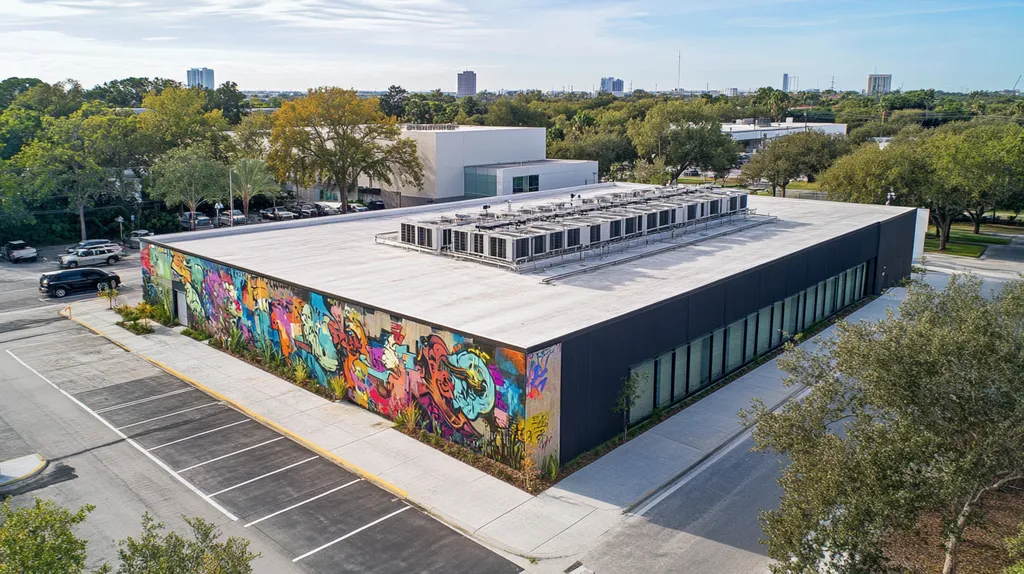
Moreover, employing drones for aerial inspections provides a unique perspective and captures data not visible from ground level. This technology allows stakeholders to visualize progress instantly, thus enhancing transparency.
Lastly, installing webcams at job sites offers live feeds that empower owners to oversee work virtually, fostering a sense of involvement and reassurance among stakeholders.
Coordinating with Suppliers and Subcontractors
Successful project delivery hinges on effective coordination with suppliers and subcontractors, as misaligned schedules and inventory shortages can significantly disrupt workflows. To alleviate this risk, property owners should set clear timelines and expectations with all collaborators, including detailed delivery schedules for materials.
Maintaining consistent communication with suppliers concerning lead times is essential to avert delays that could impact the overall timeline of the project.
Additionally, cultivating strong relationships with subcontractors often results in better collaboration and a deeper understanding of project requirements. Regular check-ins can help identify potential issues early, ensuring that the project remains on track.
Lastly, leveraging collaborative tools can strengthen the connection between contractors and suppliers. By sharing real-time updates on material availability and staffing, all parties gain insights that can effectively inform strategies to advance the project expeditiously.
SECTION 6: TEST AND VERIFY
In commercial roofing projects, timely communication is paramount to avoiding costly delays and unanticipated challenges. Failure to address issues promptly can lead to significant financial losses and safety risks for property owners. Establishing a systematic framework for consistent communication and accountability is critical. This section delves into the significance of conducting regular Owner-Architect-Contractor (OAC) meetings, maintaining meticulous documentation, and ensuring transparency in financial reporting throughout roofing projects.
Conducting Regular OAC Meetings
Regular OAC meetings are vital for maintaining open lines of communication among all stakeholders. These meetings should occur at predetermined intervals, enabling parties to discuss project progress, voice concerns, and collaboratively make decisions. Consistent updates can prevent minor issues from growing into significant setbacks.
A structured agenda is essential for keeping meetings focused and productive. Reviewing completed work, planning upcoming tasks, and discussing any changes to the project schedule ensures alignment among parties. This practice enhances accountability and fosters a cooperative atmosphere.
Additionally, documenting discussion points and action items from each meeting strengthens accountability. This record serves as a valuable reference for future meetings, making it easier to track ongoing progress and unresolved issues. Keeping all parties informed greatly reduces the risk of misunderstandings.
Ultimately, OAC meetings promote trust among stakeholders. By demonstrating a commitment to transparency and shared goals, the likelihood of a successful roofing project increases significantly.
Documenting and Reviewing Project Specifications
Thorough documentation of project specifications is crucial for successful commercial roofing. Every detail, from materials to installation methods, should be clearly outlined and readily accessible to all stakeholders. This practice ensures that everyone shares the same expectations and comprehends the project’s scope.
Regularly reviewing project specifications can help identify discrepancies or changes that may impact the project. By addressing these issues proactively, project teams can adjust promptly, keeping progress on track and within budget.
It is also essential to document all changes to specifications meticulously. This creates a clear record of what was agreed upon, safeguarding the interests of property owners and helping contractors adhere to project requirements.
A systematic approach to reviewing specifications fosters a culture of diligence and accuracy. This practice not only ensures adherence to industry standards but also enhances the overall quality of the project.
Maintaining Transparency in Financial Reporting
Transparent financial reporting is essential for successful partnerships in roofing projects. Property owners must comprehend where funds are allocated and how expenditures align with the project’s budget. Regular financial updates build trust and alleviate concerns about potential overruns or mismanagement.
Establishing clear financial milestones throughout the project facilitates consistent reporting. When stakeholders know when to expect updates, they are less likely to worry about the project’s financial health. This proactive stance can significantly enhance stakeholder confidence.
Employing accessible financial reporting tools can streamline the communication process. Utilizing software that allows all parties to view expenses in real time fosters an environment of trust and accountability.
In conclusion, transparent financial communication leads to better decision-making, ensuring that projects remain on schedule and within budget, thereby enhancing overall project success.
The Bottom Line
With commercial roofing projects representing investments of $89 billion annually, effective communication remains the decisive factor between success and costly failure.
Industry data confirms that projects implementing structured communication protocols are 73% more likely to finish on time and within budget.
The financial stakes of miscommunication – including $2.1 billion in annual losses from delays and disputes – demand immediate action from property owners and contractors alike.
By embracing technology-enabled updates, maintaining transparent documentation, and conducting regular stakeholder meetings, commercial roofing professionals can significantly reduce project risks while building lasting client relationships.
The evidence is clear: communication excellence is no longer optional but essential for protecting substantial roofing investments in today’s competitive market.
FREQUENTLY ASKED QUESTIONS
Q. What are common misconceptions about commercial roof project communication?
A. Many property owners mistakenly assume no updates are necessary during a project. This can lead to misunderstandings and delays. Regular updates keep stakeholders informed about progress and any issues, helping to prevent surprises.
Q. How do poor communications affect commercial roof project timelines?
A. Ineffective communication can extend project timelines significantly. Studies show that nearly 30% of roofing projects exceed budgets primarily due to these issues. Providing regular updates mitigates delays and helps keep all parties aligned.
Q. What financial implications arise from misinformation in roofing projects?
A. Miscommunication can increase project costs by up to 20%. Unexpected expenses often surface due to vague specifications or delays, straining financial resources and jeopardizing contractor-client relationships.
Q. Why is clear initial communication critical for commercial roofing?
A. Initial communication sets the project’s direction, aligning goals and roles among stakeholders. A structured approach prevents misunderstandings and fosters an environment of transparency, essential for smooth project execution.
Q. What strategies enhance communication in commercial roofing projects?
A. Effective strategies include detailed communication plans that outline update frequencies and clear contact points. Implementing technology, such as project management platforms, enhances information flow and accountability among all stakeholders.
Q. How do routine meetings affect project success in roofing?
A. Regular meetings allow stakeholders to discuss progress and address concerns promptly. They enhance accountability and collaborative decision-making, reducing the risk of issues escalating into significant setbacks, ultimately improving project outcomes.
Q. What role does documentation play in commercial roofing projects?
A. Documentation is vital for clarifying project specifications and ensuring that all stakeholders share the same understanding. Meticulous records of discussions and changes foster accountability and help manage expectations, contributing to successful project delivery.






